

There’s a quiet kind of exhaustion that doesn’t go away with just more sleep.
You lie in bed for hours, your body still, but your mind racing replaying conversations, planning tomorrow, worrying about things that may never happen morning comes and instead of feeling restored, you feel heavier.
If you’ve ever felt like this, you’re not alone and more importantly you’re not doing anything wrong.
The truth is learning how to improve sleep quality is not about sleeping longer it’s about sleeping better. And for women balancing careers, homes, relationships, and their own well being, quality sleep can feel like a luxury instead of a necessity.
Today, we’re changing that.
This guide will walk you through real, science backed, deeply practical ways to improve your sleep in a way that actually fits your life.
Table of Contents
Why Sleep Quality Matters More Than Sleep Quantity
We’ve all heard the 8 hours of sleep rule but here’s what most people don’t talk about:
- 👉 You can sleep for 8 hours and still feel exhausted.
- 👉 Or sleep for 6 hours and wake up refreshed.
High quality sleep means:
- You fall asleep without struggle.
- You stay asleep through the night.
- You reach deep sleep and REM cycles.
- You wake up feeling mentally and physically restored.
When your sleep quality improves, everything else follows:
- Better mood stability.
- Clearer thinking.
- Balanced hormones.
- Improved skin health.
- Reduced cravings and weight balance.
For women especially, sleep directly impacts hormonal cycles, emotional resilience, and energy levels.
So if you’ve been wondering how to improve sleep quality you’re actually asking a much bigger question
How do I feel like myself again?.
Read This : The Best Fitness Routine for Women Who Want Strength, Energy & Balance
Common Reasons You’re Not Sleeping Well (Even If You Think You Should)
Sometimes the problem is not obvious you are doing everything right, yet your sleep still feels broken. these are the hidden, often overlooked reasons that quietly affect your rest:
- Your Mind Doesn’t Switch Off at Night: Even if your body is tired mental overload keeps your brain active overthinking, planning or replaying conversations delays deep sleep without you realizing it.
- Inconsistent Sleep Schedule: Sleeping at different times each night confuses your internal clock, making it harder to fall asleep and stay asleep consistently.
- Too Much Screen Time Before Bed: Phones, laptops and TVs emit blue light that suppresses melatonin, the hormone responsible for sleep making you feel alert instead of sleepy.
- Hidden Caffeine Intake: Coffee isn’t the only culprit tea, chocolate and even some healthy drinks contain caffeine that lingers in your system for hours.
- Late Night Eating Habits: Heavy or spicy meals close to bedtime force your body to focus on digestion instead of rest, leading to discomfort and disturbed sleep.
- Stress Stored in the Body: You may not feel stressed but your body does tight shoulders, shallow breathing and a racing heart can all prevent deep, restorative sleep.
- Poor Sleep Environment: A room that’s too warm, too bright or noisy can subtly interrupt your sleep cycles without fully waking you up.
- Hormonal Fluctuations (Especially for Women): Changes during PMS, pregnancy or hormonal imbalance can disrupt sleep patterns, making it harder to achieve deep sleep.
- Lack of a Wind-Down Routine: Going straight from work or scrolling into bed doesn’t give your brain time to relax, making it harder to transition into sleep mode.
- Relying on Your Bed for Everything: Using your bed for work, phone scrolling, or eating confuses your brain it no longer associates your bed with sleep.
10+ Proven Ways on How to Improve Sleep Quality
If you’ve been searching for how to improve sleep quality the answer isn’t in one magic trick it’s in a set of small consistent habits that work together to help your body and mind truly rest.
These methods are simple, science-backed and completely practical for real life.
Let’s break down what actually works not in theory but in everyday routine.
Build a Consistent Sleep Rhythm Your Body Can Trust
Your body thrives on predictability when you sleep and wake at different times every day, your internal clock gets confused and that’s when sleep becomes irregular, light or restless.
The most effective way to reset this is by choosing a fixed sleep and wake time that you can realistically follow every day including weekends within a few days your body starts recognizing this pattern making it easier to fall asleep naturally and wake up without feeling drained.
Consistency here is more powerful than any supplement or quick fix.
Create a Night Routine That Signals It’s Time to Sleep
Your brain doesn’t switch off instantly it needs a transition from activity to rest without this your mind stays alert even when you’re lying in bed.
A calming night routine for better sleep acts as a signal that your day is ending this doesn’t have to be complicated even 20–30 minutes is enough.
Focus on low-effort relaxing activities like:
- Dimming the lights.
- Gentle stretching or slow breathing.
- Skincare or self-care rituals.
- Reading something light.
Over time, your brain begins to associate these actions with sleep, making the process effortless.
Read This: The Easy Exercise Routine for Beginners Women Wish They Started Sooner
Reduce Screen Time and Let Your Brain Slow Down
One of the most overlooked yet powerful changes is managing your screen exposure at night phones and laptops don’t just emit blue light they keep your brain stimulated, alert and engaged.
This delays melatonin release, which directly impacts how quickly and deeply you fall asleep.
A practical approach:
- Stop using screens at least 30 minutes before bed.
- Use night mode or blue light filters after sunset.
- Keep your phone away from your bed.
This single change can dramatically improve sleep within days making it one of the most effective better sleep tips you can follow.
Support Your Sleep Through Smart Eating Habits
What you eat and when you eat has a direct impact on your sleep quality heavy dinners late-night snacking or caffeine intake in the evening can quietly disrupt your rest.
Instead of forcing sleep later support it earlier in the day.
Simple adjustments that work:
- Avoid caffeine after mid-afternoon.
- Finish dinner 2–3 hours before bedtime.
- Choose light, easy-to-digest meals at night.
These changes help your body focus on recovery instead of digestion while you sleep.
Move Your Body to Sleep Better at Night
Physical activity plays a huge role in improving sleep quality it helps reduce stress, regulate hormones, and tire your body in a healthy way.
However, timing matters.
Morning or early evening workouts help you fall asleep faster and enjoy deeper sleep while intense late-night exercise can overstimulate your system.
Even light movement like walking or yoga can make a noticeable difference in your sleep patterns.
Calm Your Mind Before Bed, Not While in Bed
Trying to relax after you get into bed often backfires if your mind is racing, your bed becomes a place of stress instead of rest.
The key is to release mental pressure before you lie down.
Effective techniques include:
- Writing down your thoughts or worries.
- Practicing gratitude journaling.
- Doing slow breathing exercises.
These habits help your brain feel complete for the day allowing you to drift into sleep more naturally.
Read This: The Best Evening Routine for Women Who Are Mentally Exhausted (Try These)
Design a Sleep Environment That Works for You
Your bedroom should support sleep, not fight against it. Even small environmental factors can interrupt deep sleep without you realizing it.
Focus on creating a space that feels calm, comfortable and distraction-free.
Key improvements:
- Keep the room cool and well-ventilated.
- Use soft, dim lighting at night.
- Reduce noise or use white noise if needed.
When your environment is right, your body doesn’t have to struggle to stay asleep.
Manage Stress as Part of Your Sleep Routine
Stress doesn’t disappear at night it follows you into bed Even low-level stress keeps your body in a semi-alert state, preventing deep, restorative sleep.
Instead of ignoring it, build small stress-release habits into your evening.
This could be:
- A short walk after dinner.
- Deep breathing exercises.
- Listening to calming music.
When your body feels safe and relaxed, sleep becomes effortless.
Use Natural Techniques to Support Deep Sleep
If you prefer a natural approach to how to sleep better naturally, there are simple methods that can support your sleep without dependency.
These include:
- Herbal teas like chamomile or lavender.
- Magnesium-rich foods or supplements.
- Warm showers before bed.
- Morning sunlight exposure.
These practices help regulate your sleep cycle and improve the depth of your rest over time.
Train Your Brain to Associate Bed with Sleep
One subtle but powerful factor is how your brain perceives your bed. If you use it for scrolling, working, or watching content, your brain stops linking it with sleep.
Over time, this makes falling asleep harder.
The solution is simple but effective reserve your bed only for sleep and relaxation this strengthens the mental connection between bed and rest, helping you fall asleep faster.
Improving sleep isn’t about doing everything perfectly it’s about doing the right things consistently if you’ve been wondering how to improve sleep quality start small choose two or three of these proven methods and stick with them.
The Ideal Night Routine for Better Sleep (Step-by-Step)
If you’ve been trying to figure out how to improve sleep quality your night routine is where the real transformation begins not in complicated hacks or expensive products but in how you gently guide your mind and body from a busy day into deep rest.
Here’s a proven practical step-by-step routine that actually works especially if your days are full and your mind rarely switches off.
Step 1: Create a Clear “Cut-Off” From Your Day (30–60 Minutes Before Bed)
Most of us carry the day straight into bed mentally and emotionally that’s why sleep feels restless.
Instead, set a boundary between your day and your night.
Start by:
- Closing work tasks (even mentally).
- Avoiding stressful conversations.
- Lowering lights in your home.
This simple shift tells your brain that the day is ending, which is essential for how to sleep better naturally.
Step 2: Reduce Light & Screen Exposure
Light directly controls your sleep hormone, melatonin bright lights and screens delay sleep without you realizing it.
Create a soft environment:
- Switch to warm, dim lighting.
- Turn on night mode on devices.
- Ideally, stop using your phone 30 minutes before bed.
If avoiding your phone feels difficult, replace it with something calming like reading or listening to soft audio.
This is one of the most effective deep sleep tips that shows results quickly.
Step 3: Relax Your Body (Release Physical Tension)
Your body holds stress even when your mind feels okay. If your muscles are tight, your sleep will be light.
Instead of lying in bed hoping to relax, actively release tension before sleep.
Try:
- Gentle stretching.
- A warm shower or bath.
- Light yoga or slow movement.
These activities calm your nervous system and prepare your body for deeper sleep.
Read This: 11+ Guided Breathing Techniques Every Woman Should Needs (No One Told)
Step 4: Calm Your Mind (Don’t Take Thoughts to Bed)
A busy mind is one of the biggest reasons sleep feels broken give your thoughts a place to go before you lie down.
A simple, effective method:
- Write down anything on your mind.
- List tomorrow’s top 2–3 priorities.
- Practice slow breathing for 2–3 minutes.
This helps your brain feel complete so it doesn’t keep processing while you’re trying to sleep.
Step 5: Create a Personal Comfort Ritual
This is the step most people skip but it’s what makes your routine feel enjoyable instead of forced.
Do something that makes you feel relaxed and cared for:
- Skincare routine.
- Drinking warm herbal tea.
- Reading a few pages of a light book.
These small rituals build a strong emotional connection with sleep, which is key for long-term consistency.
Step 6: Keep Your Sleep Environment Ready
Before you actually get into bed, make sure your environment supports sleep.
Check these essentials:
- Room temperature is cool and comfortable.
- Lights are off or very dim.
- No unnecessary noise or distractions.
A supportive environment ensures you stay asleep not just fall asleep.
Step 7: Go to Bed at the Same Time Every Night
This is where everything comes together.
When you follow the same timing every night your body starts expecting sleep at that hour over time, you won’t have to try to sleep it will happen naturally.
Consistency is one of the most powerful answers to how to improve sleep quality.
Step 8: Focus on Breathing Once You’re in Bed
Once you lie down, avoid reaching for your phone or overthinking sleep instead, bring your attention to your breath.
A simple technique:
- Inhale slowly through your nose.
- Exhale gently through your mouth.
- Keep your breathing slow and steady.
This shifts your body into a relaxed state and helps you drift into sleep naturally.
Read This: 10 Life Changing Secrets How To Build Healthy Lifestyle Habits Every Woman Should Know
5+ Best Apps to Improve Sleep Quality [Try & Tested]
Technology does not have to ruin your sleep when used intentionally, it can actually become your strongest support system If you’re working on how to improve sleep quality, these apps can guide your mind, track your habits and help you build a healthier night routine effortlessly.
Calm – The #1 App for Meditation and Sleep

Calm is like a gentle companion at the end of your day, helping your mind slow down when it refuses to rest. With guided meditations, sleep stories, and breathing exercises, it creates a peaceful mental space that makes falling asleep feel natural instead of forced.
- Guided sleep meditations for instant relaxation.
- Sleep stories to quiet racing thoughts.
- Breathing exercises to reduce anxiety.
- Calming music for deep sleep.
- Beginner-friendly and easy to use.
Headspace – Mental Health App for Meditation & Sleep

Headspace simplifies meditation in a way that feels practical and approachable, especially for beginners. Its sleep-focused programs are designed to help you disconnect from daily stress and gently prepare your mind for rest making it easier to sleep better naturally over time.
- Structured sleep programs for consistency.
- Short, effective guided meditations.
- Sleepcasts designed to ease the mind.
- Stress and anxiety reduction tools.
- Clean, distraction-free interface.
Sleep Cycle – Try Free for 30 Days

Sleep Cycle works by understanding your sleep patterns and waking you up at the perfect time within your light sleep phase instead of feeling groggy you wake up refreshed and aligned with your natural rhythm, which is essential for improving overall sleep quality.
- Smart alarm for gentle wake-up.
- Tracks sleep patterns and quality.
- Detailed sleep insights and reports.
- No need to wear devices.
- Helps improve daily energy levels.
Pzizz – Sleep at the push of a button

Pzizz uses a unique combination of sound, music and voice to guide your brain into sleep It’s especially helpful if you struggle with falling asleep quickly, as it creates a consistent audio experience that signals your mind to relax deeply every night.
- Customizable sleep and nap programs.
- Voice-guided relaxation sequences.
- Reduces time taken to fall asleep.
- Works well for anxiety-related sleep issues.
- Offline mode available.
Insight Timer – The #1 Free Meditation and Sleep App
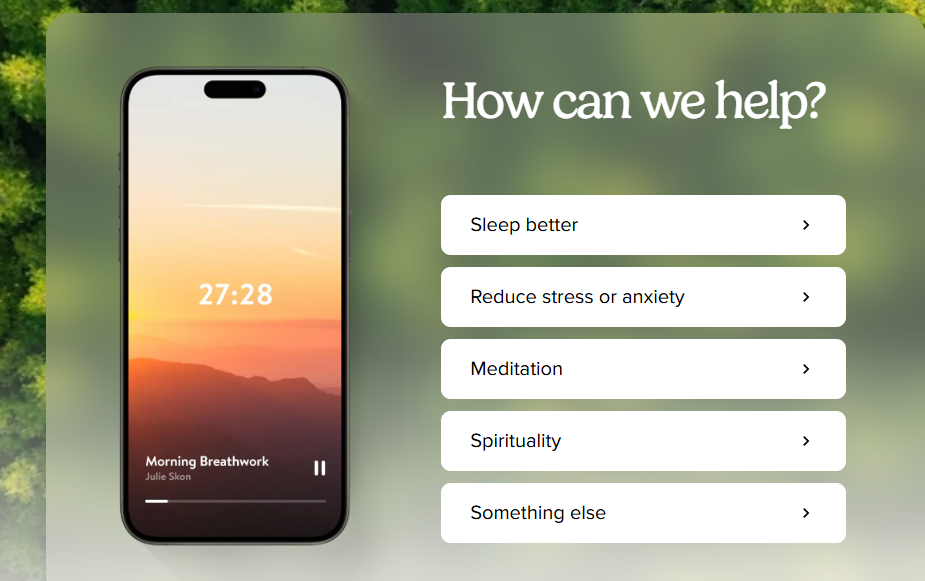
Insight Timer offers one of the largest libraries of free sleep meditations and calming audio tracks. It’s perfect if you want variety and flexibility, allowing you to explore different techniques and find what truly works for your mind and body.
- Thousands of free sleep meditations.
- Music tracks for relaxation and deep sleep.
- Customizable meditation timer.
- Community support and live sessions.
- Suitable for all experience levels.
Conclusion: You Deserve Rest That Truly Restores You
Learning how to improve sleep quality isn’t about perfection it’s about small, intentional shifts.
It’s choosing:
- Rest over scrolling.
- Calm over chaos.
- Yourself over endless productivity.
Because the truth is you give so much of yourself to the world every day your sleep is where you come back to yourself.
So tonight, instead of trying to fix everything, just start with one small change maybe dim the lights earlier or put your phone away 30 minutes sooner.
And let that be enough.
Because real transformation doesn’t happen overnight It happens quietly, gently one restful night at a time.